Practical theology
How is it lived and shared?
- 10Fields
- 1,033Sources
- 113Key works
- 100Key terms
Reading order
Where to begin in this branch
Start with the fields the others build on.
 Step 1: Practical theology method and congregationsHow practical theology studies faith as practiced in real congregations: describing, interpreting, judging and acting. Most congregations are small, while most churchgoers attend large ones.
 Step 2: Spirituality, ascetical and mystical theologyPrayer and the inner life: growing in faith, not only learning about it.
 Step 3: HomileticsThe craft of preaching: turning a passage into one clear message.
 Step 4: Christian education and catechesisHow faith is taught and learned, in churches and in groups.
 Step 5: Communication, media and digital cultureHow faith is communicated through film, apps and AI, which now carry it at scale. AI output misleads without curation, citation and disclosure, which matters for anyone reading Scripture through these media today.
 Step 6: Canon law and church polityHow churches govern themselves, and why traditions differ on authority and ministry. Every tradition governs itself by law, whether canons, codes, church orders, constitutions or congregational rules.
Fields
The fields in this branch
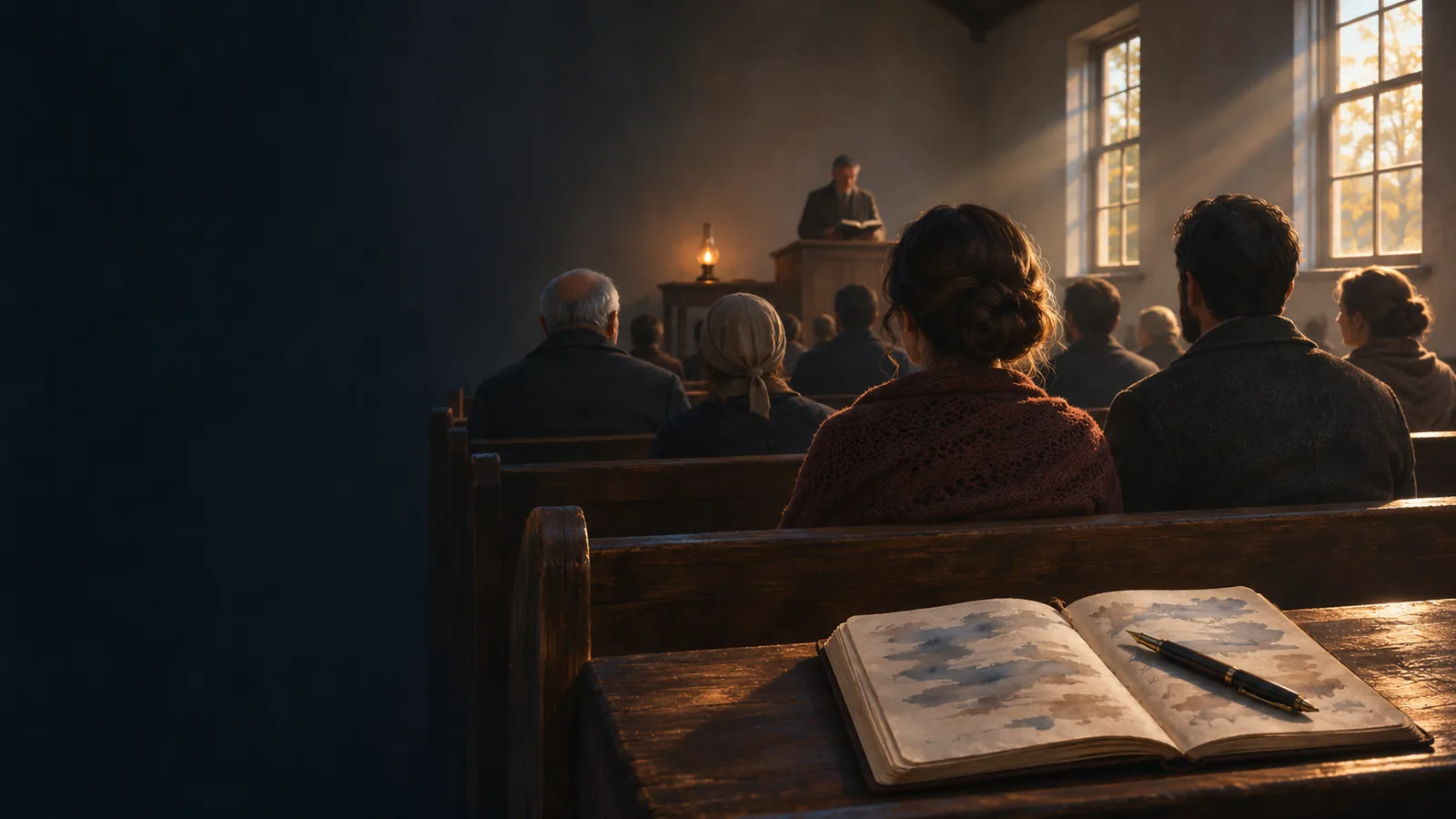
Homiletics studies the theology, composition and delivery of preaching; its oldest question is eloquence and truth, and its focus has moved from the speaker to the listener.
Where traditions divide
Rhetorical, kerygmatic, New Homiletic and expository schools differ, and traditions divide over who may preach.
Builds onExegesisRead the field: HomileticsChurches teach faith through catechesis, catechisms, Sunday schools and groups, adapting to age; studies of mostly North American families find parents the strongest predictor of transmission, and retrieval and co-viewing aid learning.
Where traditions divide
Traditions and scholars divide on whom to catechise and when, on infant or believers' baptism, on the roles of family, congregation and school, and on whether teaching into faith indoctrinates.
Builds onHomileticsRead the field: Christian education and catechesisChurches treat communication as part of their theology; film, apps and AI now carry faith at scale, but reach is reported more than effect, and AI output misleads without curation, citation and disclosure.
Where traditions divide
Traditions divide on depicting Christ and the Father, on AI voicing Scripture or sacred persons, on whether sacraments can be online, and on entertainment beside reverence.
Builds onHomileticsRead the field: Communication, media and digital cultureChristian worship drew on Jewish Scripture, psalmody and prayer and the Lord's Supper, forming rite families and Reformation orders; most churches share Scripture, psalms and the Lord's Prayer, but differ on Communion frequency and calendar.
Read the field: Liturgy and worship, with church musicWhere traditions divide
Traditions divide on set liturgy against free worship, what Scripture permits in worship, instruments and hymns, women leading, Latin or vernacular, Old or New Calendar, and contemporary worship music.
Rooted in Jewish Scripture, Jesus's prayer and Paul's life in the Spirit, Christian prayer developed through desert, Syriac, Ethiopian, Orthodox, Catholic, Protestant, Pentecostal and African traditions; most share the Lord's Prayer.
Where traditions divide
They divide on how experience and claimed revelation relate to Scripture and church authority, on contemplative methods, on invoking Mary and the saints, on charismatic gifts today, and on asceticism.
Builds onPneumatologyRead the field: Spirituality, ascetical and mystical theologyMissiology is the interdisciplinary study of Christian mission, built from Warneck, Schmidlin and Edinburgh 1910, and now studies a faith with most of its adherents in the Global South.
Read the field: MissiologyWhere traditions divide
Catholic, ecumenical and evangelical traditions read the mission of God differently; Lausanne (1974) held evangelism primary, while Padilla and Escobar pressed for evangelism and social action as one task.
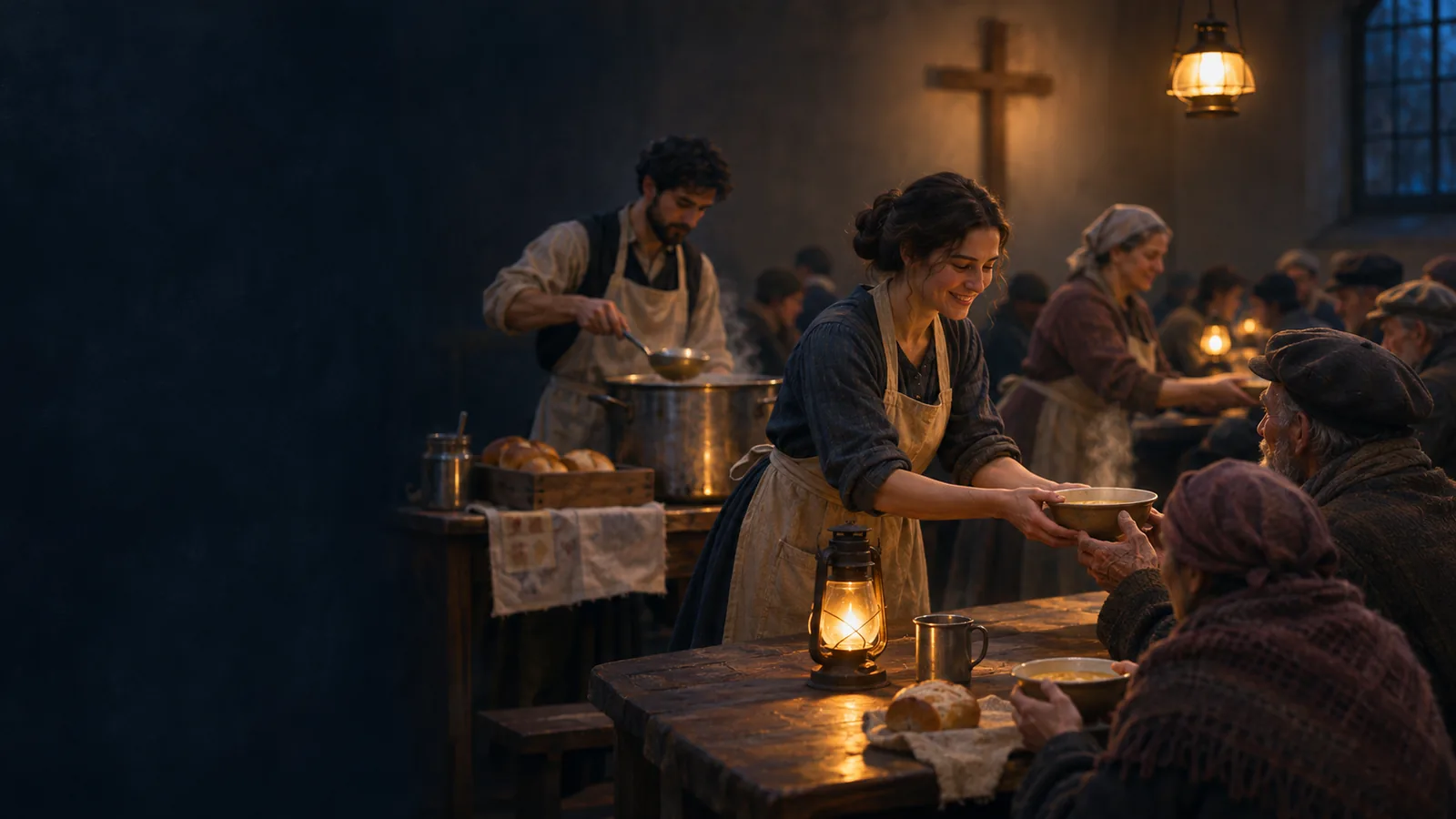
Service to people in need runs from Torah law, Jesus's teaching and the early church through congregations, hospitals, deaconess houses and global agencies; scholars debate what diakonia meant and how it shapes ordained ministry.
Read the field: Diaconal studies and social ministryWhere traditions divide
Churches differ on the diaconate as an order, women deacons and evangelism with aid; charity and justice, dependency and state partnership are debated within traditions too.
Christian care of souls is ancient and varied; modern pastoral care draws on psychology and contests it. Church guidance and professional codes share two rules: know your limits; route anyone in danger to help.
Read the field: Pastoral care and counsellingWhere traditions divide
Christians divide on how Scripture relates to psychology, spiritual and medical accounts of distress, deliverance, what healing to expect, divorce and remarriage, and counsel on sexuality.
Every tradition governs itself by law: canons, codes, church orders, constitutions or congregational rules; most name a body and texts that speak for them; some have no single binding voice.
Where traditions divide
They divide on where authority lies (pope, synod, presbytery, conference or congregation), how decisions bind, succession and who may ordain, women's ordination, discipline, and national churches' independence.
Builds onEcclesiologyRead the field: Canon law and church polityPractical theology studies faith as practised: describing, interpreting, judging and acting. Congregational studies read ecology, theology, culture, resources and process. Most congregations are small; most churchgoers attend large ones.
Where traditions divide
Traditions divide on what counts as a church, who may lead and teach, who approves resources, and whether health means growth, faithfulness, holiness or justice; scholars debate Scripture's place.
Builds onSocial-scientific study of religionRead the field: Practical theology method and congregations


The theology map